
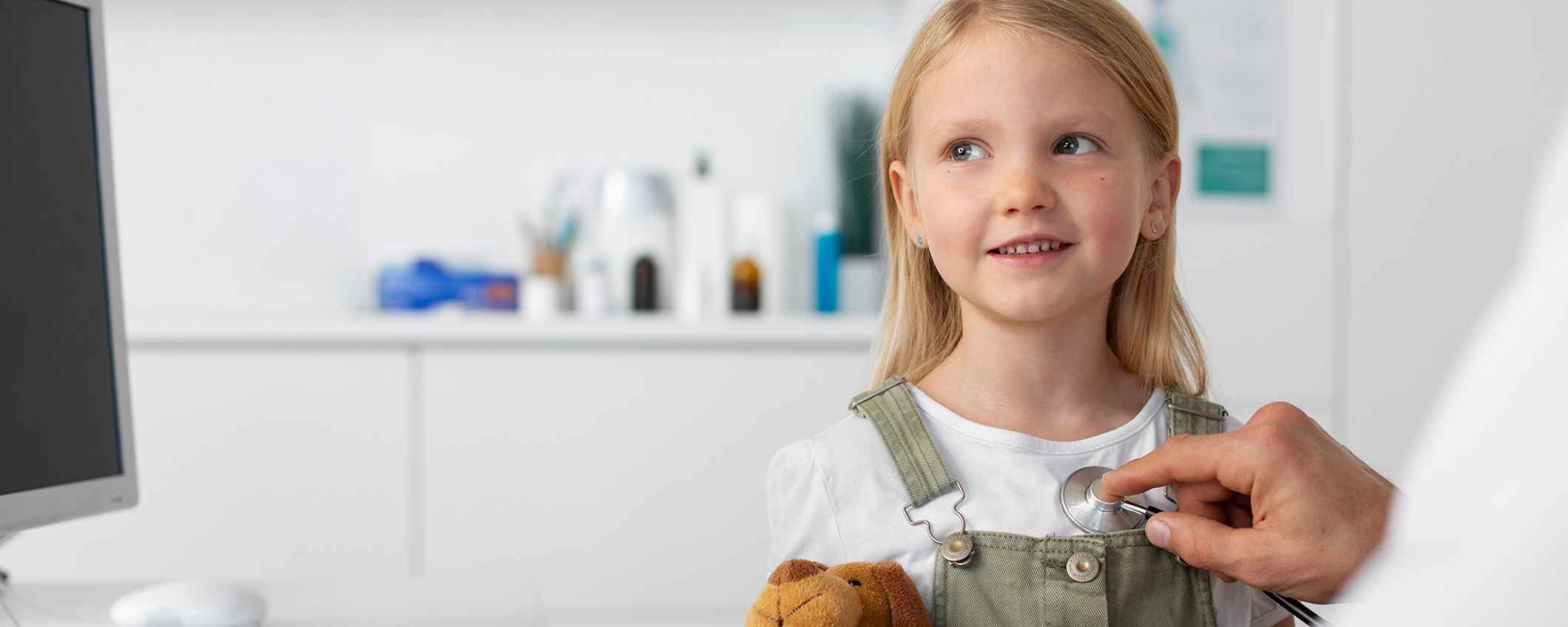
Despite remarkable advancements in medical science and the development of innovative treatments over the past 150 years, the pharmaceutical industry continues to fall short in one crucial area: addressing the unique healthcare needs of children. While adult patients have benefited from many new therapies, children - whose bodies respond differently to medications and whose conditions often progress in ways different from those of adults - remain at the margins of pharmaceutical progress.
Off-label medicines
Two main factors explain why paediatric pharmaceuticals lag behind adult treatments: logistical challenges and financial incentives.
The cost of developing dedicated clinical trials for children is high, not least because children’s bodies grow and develop rapidly. This means that clinical trials must account for different age groups and developmental stages, often requiring separate studies for infants, toddlers, young children and adolescents. Moreover, children represent a smaller portion of the overall patient population, making the market for paediatric medicines less attractive from a traditional investment perspective.
As a result, many medicines prescribed to children are used ‘off-label’, meaning they have not been specifically tested or approved for paediatric use. While off-label prescribing can be lifesaving, it also carries risks, as children metabolise drugs differently and require age-appropriate dosing and formulations.
Addressing rare diseases: orphan drugs
The challenge of developing appropriate medicines for children is particularly acute when it comes to rare diseases. Medicines for rare diseases, also called orphan drugs, are notoriously costly to develop and market due to the small number of patients affected by rare conditions. Many such conditions are genetic and manifest early in life, significantly affecting children’s health and development. On the other hand, orphan-drug status for pharmaceuticals generally comes with regulatory incentives to offset development costs (e.g., tax credits, grants, reduced fees, faster approval), as well as extended market exclusivity periods that ensure stable revenue.
Childhood conditions with lifelong impact
Common conditions often begin during childhood and may affect a person for a lifetime. Respiratory allergies, for example, are one of the most common chronic conditions, affecting between 20% and 30% of children and up to 40% of adults globally. Allergies often begin in childhood, disrupting sleep, concentration and daily activities, and can progress into more serious respiratory diseases if left untreated. Notably, antihistamines, the drugs usually prescribed for respiratory diseases, are also the most common off-label medications administered to children.
The return of personalised medicine
In the case of children, it’s very important to move beyond a one-size-fits-all approach to pharmaceuticals, adapting treatments to patients’ specific needs. Personalised medicine, once the norm with treatments tailored to each individual, gave way in the 20th century to standardised approaches thanks to breakthroughs like antibiotics, vaccines, and large clinical trials.
This greatly improved public health, but also introduced disadvantages for individuals with special needs, or groups that were simply less represented in clinical trials. Since the late 20th century, scientific and technological advances have brought about a renewed focus on personalised medicine, making it possible to match treatments more closely to each person’s unique needs.
A call for impactful investment
Investing in paediatric pharmaceuticals is more than a good business opportunity. It also offers the chance to create lasting social impact. By supporting companies that innovate for children, investors can help ensure that young patients receive the safe, effective and age-appropriate treatments they deserve. This is not only ethically compelling but also essential for building healthier societies and addressing long-term health burdens.
Targeted investment in paediatric pharmaceuticals is therefore an indispensable part of advancing global health. By championing companies like SOBI, ALK-Abello and Fagron, we can help close the gap, foster innovation and improve the lives of children worldwide.