
Nature is essential for human life on Earth. Yet, human activities, such as deforestation and pollution, are causing rapid biodiversity loss and threatening the balance of our ecosystems. The urgency to address its drivers, and to halt and reverse biodiversity loss, has never been greater. According to the Intergovernmental Science-Policy Platform on Biodiversity and Ecosystem Services (IPBES), the main drivers of biodiversity loss are land-use change, climate change, pollution, overexploitation and invasive species. These pressures are pushing many ecosystems towards critical tipping points. IPBES warns that one million species may be at risk of extinction if current trends continue.
For our Impact Equities and Bond portfolios, we therefore select companies that take clear steps to manage their impact on biodiversity and to limit harm to natural ecosystems. At the same time, we carefully exclude companies whose practices pose significant risks to nature.

About Luc van Haaren
Luc is Sustainability Analyst in the Impact Equities and Bonds team. He joined Triodos Investment Management in 2014. Prior to Triodos, Luc worked at ASN Bank where he was responsible for sustainability analysis of listed companies. Luc holds a Master’s degree from ISCTE Business School in Lisbon and is a CFA Charter holder.
Minimum standards and engagement
A key element of our investment approach is the strict set of minimum standards. These standards serve as the foundation for all our investment decisions. They are designed to ensure that the companies in our listed investment funds do no significant harm to nature or biodiversity. As a result, we exclude investments in sectors such as fossil fuels, mining, large-scale industrial agriculture and unsustainable forestry. We also exclude companies involved in the trade or production of pesticides and the most harmful hazardous chemicals.
The second pillar of our approach is engagement. We actively engage with the companies in our portfolios to encourage ongoing improvement in how they protect biodiversity and how transparent they are about this. For example, with consumer goods companies we discuss the use of certified sustainable palm oil in their supply chains. With paper and packaging companies, we discuss how they can ensure sustainable forestry practices. Combining strict screening with ongoing dialogue, helps to ensure that our investments minimise their contribution to the key drivers of biodiversity loss.
Given the importance of the subject, we engaged with companies on biodiversity already last year. The table shows how often we engaged on related topics in 2025:
| Climate change | 380 |
| Waste | 138 |
| Biodiversity | 104 |
| Water | 86 |
| Pollution | 79 |
| Physical climate risk | 11 |
Triodos IM’s biodiversity targets
We have set ambitious targets to tackle biodiversity loss and to support measurable improvements in ecosystem health. By 2030, Triodos Bank and Triodos Investment Management aim to provide at least EUR 500 million in financing for Nature-based Solutions, supporting projects that restore and protect natural habitats. Alongside this financing goal, we want to deepen our engagement with companies. We focus in particular on companies whose activities carry a high risk of deforestation or pollution. With this two-track approach, we both finance projects that have a positive impact on nature and address biodiversity risks in our listed funds.
Engagement focus: deforestation and water pollution
In 2025, we assessed our exposure to the main drivers of biodiversity loss. We also identified which companies we want to engage with and which topics we want to address in this engagement programme. Assessments, done in collaboration with the Impact Institute, looked at the biodiversity impact of companies in our portfolios. These showed that exposure to land use, climate change and pollution make up most of the biodiversity footprint linked to our investments. Because climate change is already part of an engagement programme, we will focus on land use and pollution. In 2026, we will start the engagement with the selected companies.
1. Deforestation
Of all human land use, deforestation is the main driver of global biodiversity loss. Millions of hectares of forest are increasingly being cleared to meet the growing demand for commodities such as soy, palm oil, coffee, cocoa, rubber and timber. These forests are home to countless species and sustain vital services for people and nature.
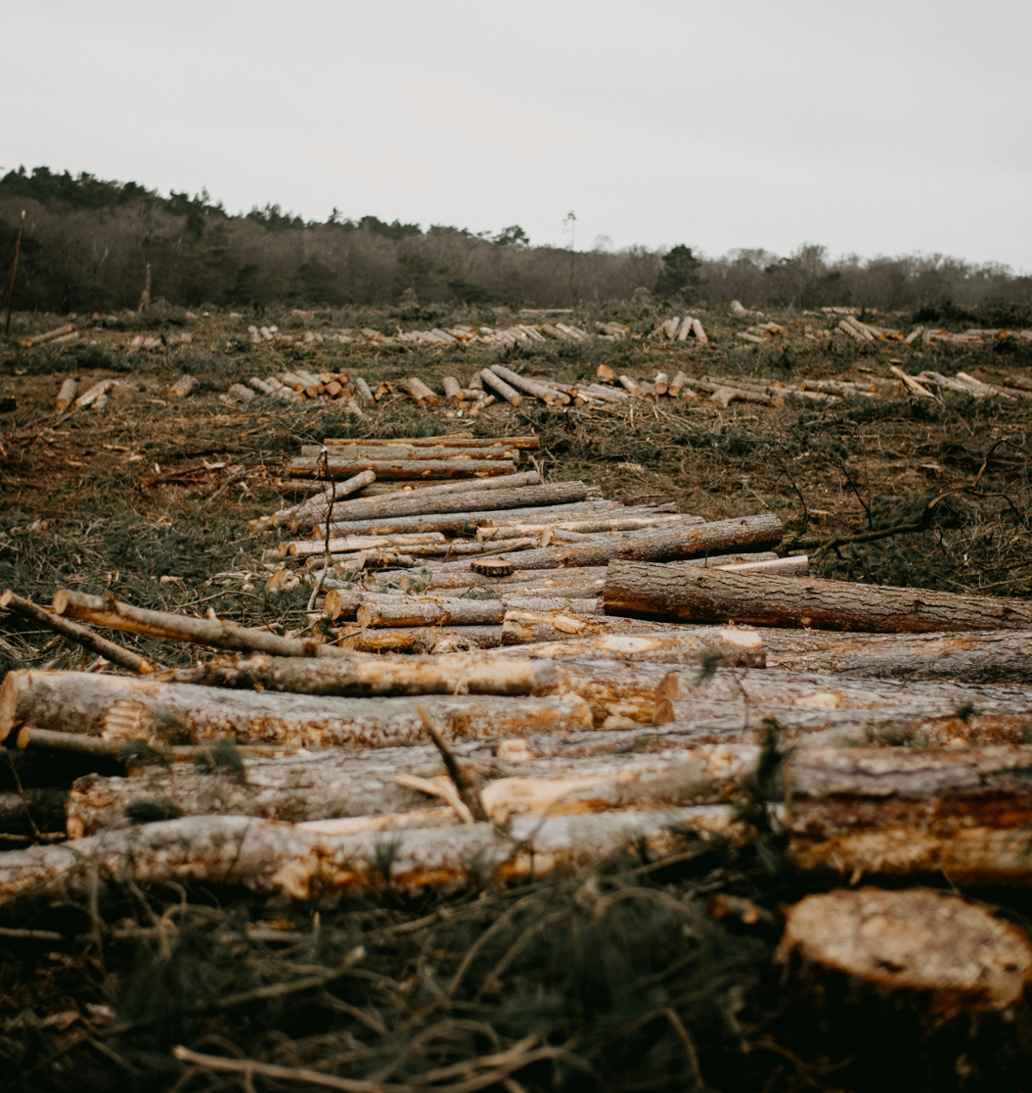
We require the companies we invest in that source these commodities to have clear policies on deforestation. They must also source only commodities that are certified as coming from non-deforested areas. At the same time, we recognise the limitations of relying on certification alone. Through this engagement programme we therefore want to go beyond exclusion by encouraging companies to increase transparency and improve traceability in their supply chain. Our aim is to encourage companies to:
- publicly disclose their efforts
- improve their targets for deforestation-free sourcing
- implement robust traceability systems
2. Water pollution
Our portfolios’ exposure to pollution is mainly linked to water pollution in the chemicals sector. However, the number of companies in our portfolios within this sector is limited. We already engage closely with these companies through our Hazardous Chemicals engagement programme.
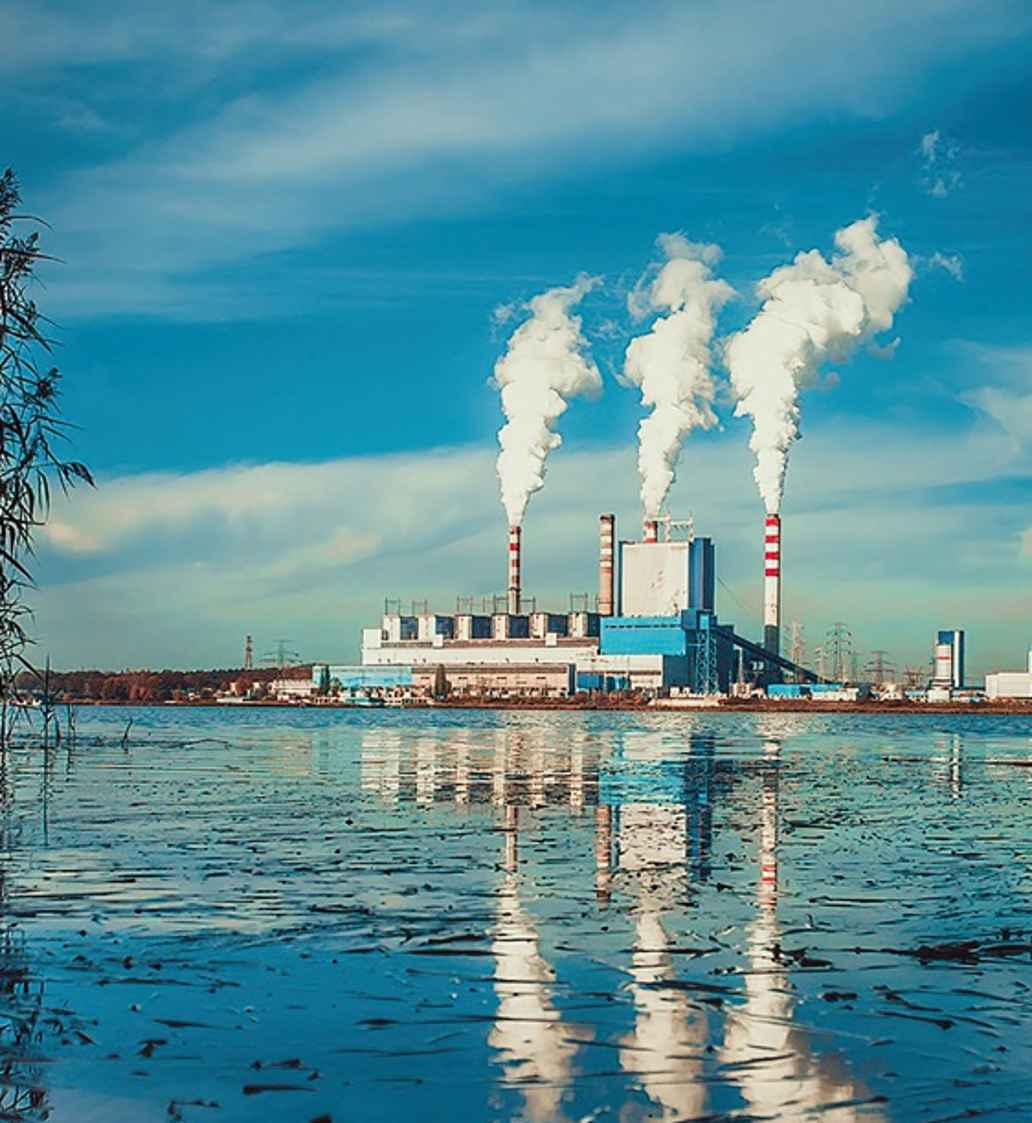
We will therefore focus on the pharmaceutical sector. Here, our exposure is larger, and manufacturing processes can also cause serious water pollution. Untreated wastewater can release harmful substances into rivers and oceans. This puts aquatic life and ecosystems at risk. Through this engagement, we encourage pharmaceutical companies to:
- measure and disclose their water-related impacts
- integrate better water and chemical management into their sustainability strategies and supply chain decisions.
- align with global biodiversity initiatives, for example by contributing to the Cali Fund, a multilateral initiative that supports global efforts to halt and reverse biodiversity loss under the Kunming-Montreal Global Biodiversity Framework.
Why biodiversity matters to investors
Taking biodiversity into account in investment decisions helps protect nature and manage long-term risks. It also supports more resilient portfolios. Companies that are exposed to biodiversity risks, such as deforestation or water pollution, may face regulatory changes, reputational damage or disruptions in their operations and supply chains. By actively engaging with companies on these topics, we aim to reduce these risks and preserve the natural systems that underpin economic and societal wellbeing.