
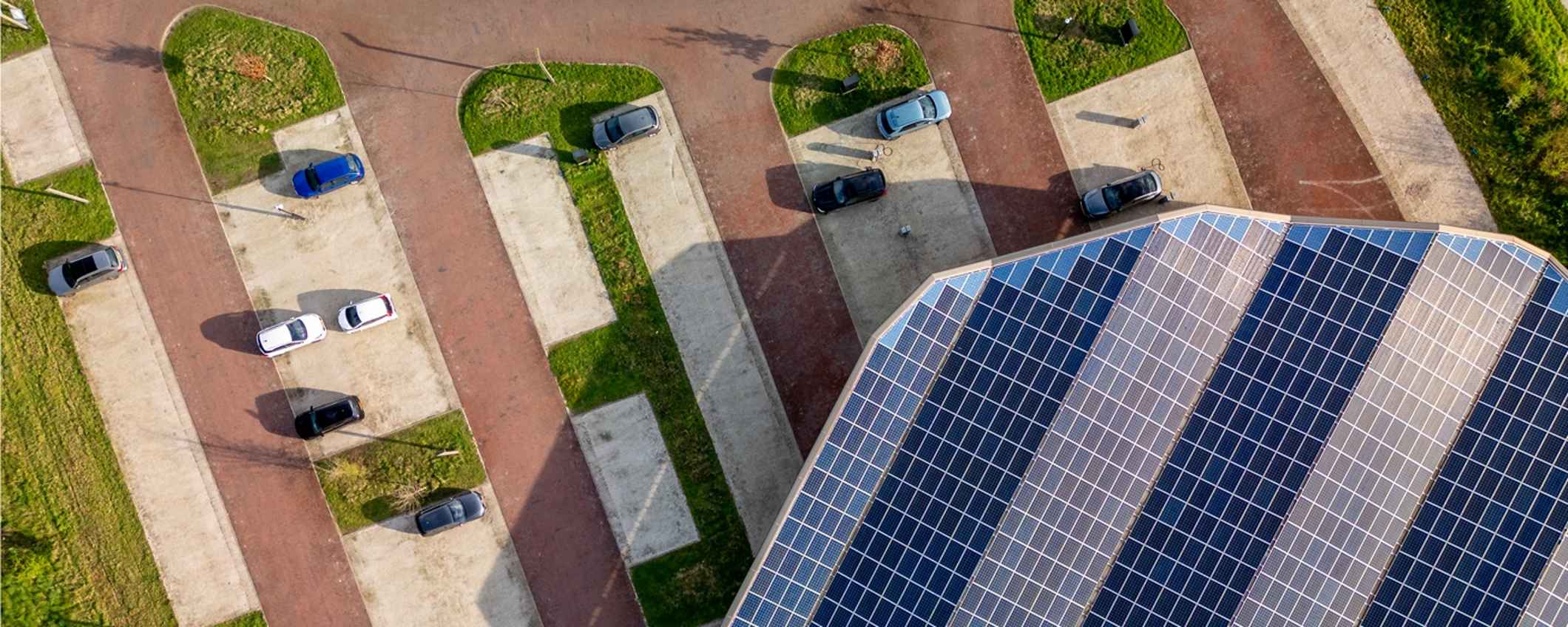
In a recent episode of our podcast Inside Impact Investing, experts Bert Stuij (Netherlands Enterprise Agency RVO) and Sonja de Ruiter (Triodos IM) explored the challenges and opportunities of this next phase. Their insights reveal a transition that is as much about systemic change as it is about technological innovation.
From fossil fuels to an electrified society
At its core, the energy transition represents a fundamental shift: moving from a system built on burning fossil fuels to one powered by renewable electricity. As Bert Stuij explains, this means replacing finite resources with technologies that harness renewable energy sources.
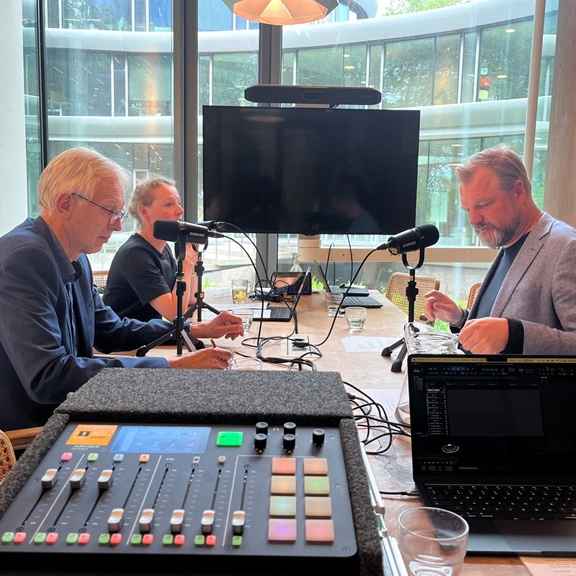
Investing in the next phase of the energy transition
Listen to the podcast with Bert Stuij, Sonja de Ruiter and Karel Nierop on Spotify or via Also available on Apple Podcasts.
"The essence of the energy transition is that we move away from things we burn - oil, gas, and coal - towards things we build. Technologies that harvest abundantly available sun or wind and distribute them into the economy. We move from a fossil-based society to an electro-based society, which is also renewable."
This shift is not merely about swapping one energy source for another. It requires a complete redesign of the energy system - from centralised power plants to decentralised networks where households, businesses and industries become both producers and consumers of energy.
Geopolitics and energy security as catalysts
For decades, climate change was the primary driver of the energy transition. Yet, as Sonja de Ruiter notes, climate targets alone have not been enough to sustain momentum. "A climate target, an international agreement, feels abstract for people. The climate argument alone does not get everyone in motion - at least not fast enough."
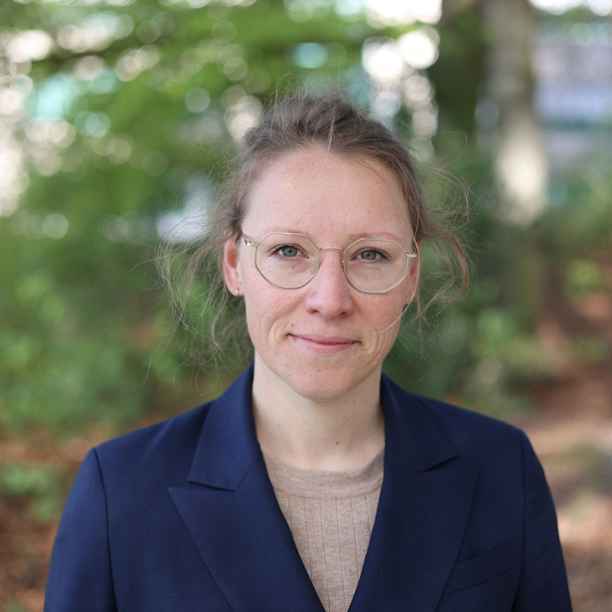
“The case for Europe’s energy transition is no longer only climate change”
The energy crisis of 2022 has changed that: Surging gas prices followed by inflation have made the economic consequences of energy dependence impossible to ignore. The current instability of the global oil markets serves as another reminder: Europe’s energy security is fragile, and the transition is no longer just an environmental imperative. It is also an economic and strategic necessity.
The difference today, however, is that the alternatives are more mature than they were four years ago. Electric mobility is accelerating, industrial electrification is advancing and renewable energy technologies are scaling faster than ever. As Stuij observes, "We’re in a better position than we were four years ago." The question now is whether this moment will lead to lasting change or yet again to just another temporary surge in ambition.
Bottlenecks and systemic challenges
The energy transition is not just about building more wind farms and solar panels. It requires a rethink of the entire energy infrastructure, market design and regulatory framework that underpins the energy system.
"We’re trying to run this new decentralised system on infrastructure and market rules that were designed for the old centralised system," says de Ruiter. "It should therefore not come as a surprise that we’re running into problems like grid congestion."
The solution, she argues, is not just technological but also systemic. Storage, demand-side flexibility, and smarter grid management are essential. Yet, these require not only innovation but also financial models that make them viable.
According to Bert Stuij the financial dynamics of the energy system are also shifting dramatically. "Whereas most of the funds are currently still being spent on fossil fuels, they should go to solutions with which we build that new energy system." This means a fundamental reallocation of capital, with long-term payback horizons that traditional energy markets did not require.
The technologies driving the next phase
While wind and solar remain the backbone of the transition, new technologies are emerging to address its most pressing challenges. Utility-scale battery storage is scaling rapidly. "Five years ago, we started investing in the first utility-scale battery storage projects," de Ruiter explains. "Today, we see projects that are ten times larger." These are no longer experimental - they are becoming a critical part of the energy infrastructure. Circularity is also playing a role. A battery storage project in Germany financed by Triodos IM uses repurposed electric vehicle batteries, turning excess resources into an asset for the grid.
The next frontier is industry: steel production, chemical processes and high-temperature heat remain heavily reliant on fossil fuels. Electrifying these sectors will require breakthroughs in hydrogen, thermal storage and direct electrification. "We should not give up on the speed of the transition," Stuij emphasises. "The ambitions for electrification are even higher than what we can accommodate right now. That’s why we have grid congestion and that’s proof of the societal dynamic moving in the right direction."
One of the most promising developments is the rise of decentralised energy systems. Companies are now bypassing congested grids by connecting directly to wind and solar farms. Households with rooftop solar and home batteries are becoming active participants in the energy market. "The future is a decentralised energy system where millions of parties are producing and consuming energy," says de Ruiter. "Instead of a few large producers, we’ll have a network of small-scale solutions."
The role of investors in scaling the transition
Fact is that the energy transition is capital-intensive. Europe needs an estimated EUR 800 billion annually in energy-related investments. Private investors will play a crucial role in bridging this gap. "The energy transition is to a large extent about hardware, which is capital intensive," de Ruiter notes. "It requires huge amounts of capital. That’s why we need investors."
The business case for investing in the energy transition is strengthening. Renewable energy projects now offer stable revenue models, particularly when paired with long-term contracts. Storage solutions, thermal energy systems, and behind-the-meter technologies are attracting more capital as their economic viability improves.
Yet, challenges remain. Newer technologies - such as advanced industrial electrification - still need policy support to de-risk investments. Governments must provide consistency in regulation and incentives, ensuring that public and private finance work in tandem rather than in competition.
A look into the future of Europe’s energy system
A decade from now, Europe’s energy system will likely be unrecognisable compared to today. A far greater share of energy will come from electricity, with decentralised energy production being the norm and storage and demand flexibility balancing supply. Bert Stuij hopes that European industries will regain some of their manufacturing capacity for clean energy technologies.
Sonja de Ruiter acknowledges that while full decentralisation is the goal, some centralised solutions - such as cross-border energy trading and offshore wind - will remain essential. "I believe in a decentralised, behind-the-meter energy system where energy is distributed at village or neighborhood level. But we’ll still need connections to other European countries to balance supply - using hydro from Norway or solar from Spain when wind and solar are low."
A moment of opportunity
The energy transition is no longer a choice - it is an inevitability. The question for investors is not if they should participate, but how they can do so effectively.
As Sonja de Ruiter puts it: "The more problems arise, the more solutions emerge." The current geopolitical and economic pressures are not just challenges - they are accelerants. The technologies are there, capital is available. What remains is the collective will to act.
For investors, the time to engage is now. The next phase of the energy transition will not wait.
The Inside Impact Investing podcast
Tune in to our podcast series and listen to leading experts share their insights on a variety of topics - all through an impact lens.
Find our other podcasts here.
Or watch our Inside Impact Investing Masterclasses and grow your knowledge of impact investing. Join our experts as they share practical insights to help you navigate this rapidly developing market.