
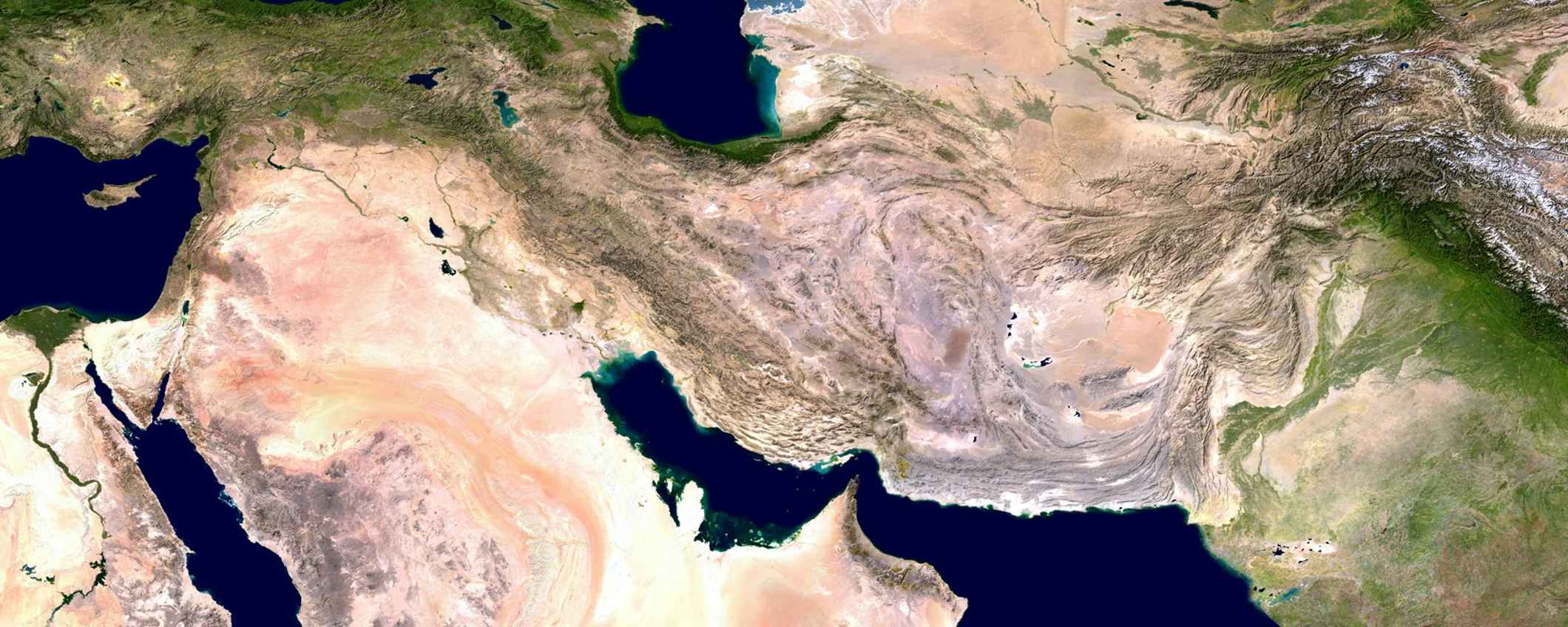
The conflict has prompted an immediate reaction by Iran in the form of missile strikes targeting Israel and US bases in the neighbouring countries, as well as energy facilities and civil centres in the Gulf. The US administration, keen to dispel fears of an 'endless war,' assured the international community that American troops would not be deployed on Iranian soil.
As oil and gas prices jump in the wake of the conflict, we are once more reminded of the importance of the transition to clean energy solutions, not only for decarbonisation purposes but also for diversification of energy sources and strategic autonomy.

Immediate effects
The overall economic and financial markets impact of developments in the Middle East will depend on the conflict’s length, a possible suspension of fuel production and transport and any damage to infrastructure that occurs if hostilities escalate in the region. The ramifications are already being felt across several sectors:
- Oil and gas markets: While Brent crude oil closed at USD 73 per barrel on Friday, it rose to USD 79 per barrel On Monday March 2 and forecasts suggest that it could increase to a range of USD 80-85 per barrel. From a historical perspective, this is not exceptionally high.
- European gas prices: The European gas benchmark prices surged on Monday March 2 by nearly 50%, the biggest daily move in more than four years. The shutdown of Qatar Energy, the world’s largest LNG company, inflicted a further increase in prices.
- Shipping insurance and Strait of Hormuz: Insurance companies have said that they would cancel some of their policies and raise insurance prices for shipments going through the Strait of Hormuz. Only sporadic transits through the Strait of Hormuz were recorded on Saturday, February 28. On Sunday March 1, traffic through the Strait of Hormuz slowed to a near standstill, marking the first near complete halt in many years. However, the Strait of Hormuz has not been formally closed.
- Trade and tourism: The suspension of air travel and slowdown in shipping will have significant implications for economic activity, with tourism and trade suffering immediate setbacks.
- Equities and safe havens: US and European stocks slid, with airline shares particularly hit hard due to their reliance on energy. Meanwhile, the US dollar and gold edged up, as investors sought safer ground.
Energy dependency
The primary way this conflict influences financial markets and the broader economy is by impacting fossil fuel prices. As Europe increased renewable energy supplies after Russia’s invasion of Ukraine, it reduced its reliance on Russian energy but became more dependent on Gulf countries for energy, with LNG imports from the region at 12-14%. Other countries, including India, rely on Qatar for more than 45% of its LNG supply, while 30% of China’s imports come from the Gulf state.
Possible scenarios
Two broad scenarios could unfold:
- A best-case scenario in which the conflict lasts several weeks, with minimal infrastructure damage and the Middle East drawing on oil reserves and sustained oil production in this time frame. Oil prices in this scenario may increase modestly since alternative markets outside the region could mitigate the pressure on prices. The impact on both economic activity and inflation would be limited and manageable.
- A worst-case scenario in which the conflict escalates to involve the entire Middle East. A sharp slowdown in trade and increasing uncertainty would put considerable long-term pressure on energy prices. In this case, countries reliant on energy imports from the Middle East would witness inflation pressures and weaker growth due to a terms of trade shock.
Renewable energy is resilient energy
A swift end to the conflict would obviously be best, first and foremost for humanitarian reasons, but secondly to reduce financial market impact. Much like the Russia-Ukraine war resulted in a surge of gas prices, with significant impact on European economies, this conflict brings a new wave of uncertainty for fossil-fuel importers. To become more resilient in a turbulent world, Europe must accelerate the energy transition. Doing so requires we keep building up our renewable energy supply, including adequate infrastructure for distribution and storage, while lowering energy demand. Private investors can make a meaningful contribution by allocating their capital towards the energy transition and paving the way towards energy efficiency, storage technologies, decarbonisation and reduced dependencies.
The US-Israeli strikes on Iran are not merely a geopolitical flashpoint, they have swiftly become a test of the world’s financial and energy resilience.