
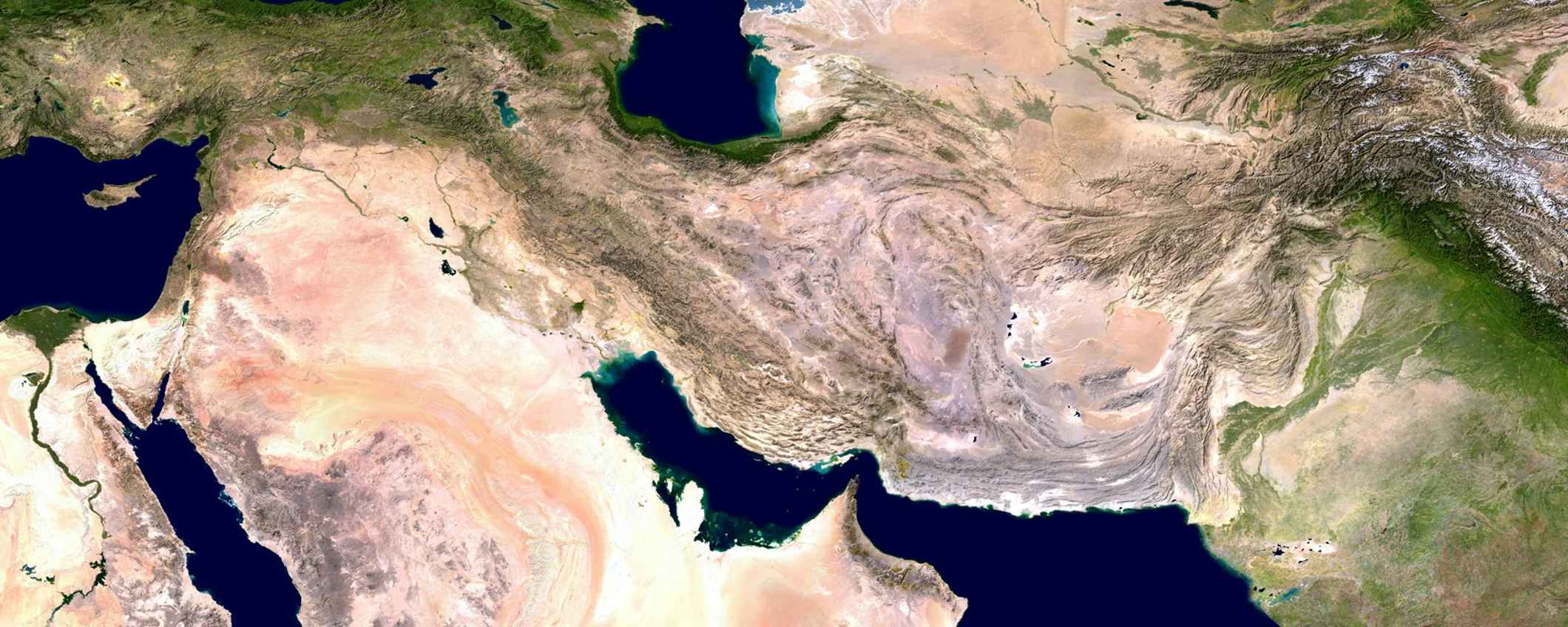
The immediate driver of this shock is the effective closure of the Strait of Hormuz by the Iranian military. This critical passage normally handles 20 to 30 percent of the world’s oil, gas and fertiliser-related shipments from the Gulf states. The most immediate consequences are therefore sharp increases in global energy and food prices, while many other goods are indirectly affected through higher input costs.
The severity of the inflation shock will ultimately depend on how long the conflict lasts and how much damage is inflicted on regional infrastructure. Liquefied natural gas (LNG) facilities are particularly difficult to restart, so even after the Strait reopens, supply is likely to remain below previous levels for several weeks. Oil production may recover somewhat faster, but will also face delay. According to the International Energy Agency, around 40 energy assets across nine Middle Eastern countries have already been classified as “severely” or “very severely” damaged by the war. This raises serious concerns about a prolonged disruption of global energy supply.
US-Israeli strikes on Iran: financial markets’ resilience tested
Economic impact differs by region
The economic impact of the war differs across regions, from acute supply shortages in some areas to considerable price increases elsewhere. Asia is bearing the brunt of the direct impact, with many countries typically importing over 80 percent of the oil and gas shipments that pass through the Strait of Hormuz. This leaves them highly exposed to both supply disruptions and rising prices. This is reflected in energy benchmarks. Global oil price references such as Brent and WTI have risen from below USD 60 per barrel before the war to around USD 100 currently. In contrast, regional benchmarks such as Dubai and Oman crude have climbed to well above USD 150 per barrel. This shows that, in the short term, Asian economies face both higher prices and, in some cases, acute shortages.
Europe imports only about 5 percent of its crude oil and 13 percent of its LNG through the Strait. However, as a major energy importer, it remains highly exposed to rising global prices. As long as the war continues, oil and gas prices are likely to align more closely across regions, pushing up prices in advanced economies. This will add further upward pressure on inflation. Economic activity will weaken, the most in Asia and Europe, and to a lesser extent in the United States, which is a net energy exporter. Even so, energy-exporting countries will also be affected. Higher input costs will ripple through global supply chains, impacting industries such as semiconductor manufacturing, and potentially slowing investment in artificial intelligence and related sectors, which have been the engine of global growth last year.
Financial markets not immune
Financial markets have been shaken by the war on Iran. Equity markets sold off in the initial days of the conflict, stabilised somewhat in euro terms over the following two weeks and declined again as prospects for a quick resolution faded. US equity markets have been relatively resilient, reflecting a lower regional exposure and some dollar appreciation supporting valuations in euro terms.
Most sectors on the equity markets have been negatively affected, including industrials, materials, consumer staples, airlines, as well as interest-sensitive sectors such as real estate and financials. The main exception are the oil majors, which have risen somewhat. The tech sector has so far been affected only to a limited extent, as it is viewed as a relative safe haven with less exposure to the broader economy.
Global bond markets did not react in a single move, but through repeated bouts of volatility as the conflict spread and a quick resolution became less likely. Ten-year government bond yields have risen significantly across major economies, with spreads widening for weaker European sovereigns. Short-term yields have increased even more, as markets reassess inflation expectations and the central banks’ policy outlook. Markets now expect rate hikes from the European Central Bank and the Bank of England, while previously anticipated rate cuts by the Federal Reserve have been priced out. The rise in yields is particularly pronounced in the UK, where inflation had only recently eased after the previous energy shock.
The ultimate impact on equity and bond markets remains uncertain, as does the response of central banks. While the conflict obviously has severe near-term consequences, past experience suggests markets can overreact. Much will depend on how quickly the conflict is resolved.
Impact investing is essential
Now more than ever, impact investing offers a strategy to protect both people and the planet from these types of economic shocks. The key lesson from the wars in Ukraine and Iran is that long-term resilience depends on energy independence. This requires a rapid expansion of renewable energy capacity and infrastructure, along with a strategic reduction of lower value-added, energy-intensive industries. Policymakers must move beyond the assumption that energy can remain both cheap and abundant while at the same time economies are being decarbonised. Instead, they should plan for a lower-energy, higher-wellbeing economy.
Impact investing perfectly embodies this approach by prioritising sustainable development. Such an approach not only aligns with ethical principles but also supports long-term, sustainable financial returns, as it reflects sound economic logic. By focusing on companies and projects that deliver positive social and environmental impact, impact investing helps ensure that economic wellbeing and planetary limits advance together. As global uncertainty rises, purposeful investing remains a vital tool for stability, equity, and resilience.
We will continue to closely monitor developments and adjust our fund positioning accordingly to navigate these turbulent times.