A rich and varied history
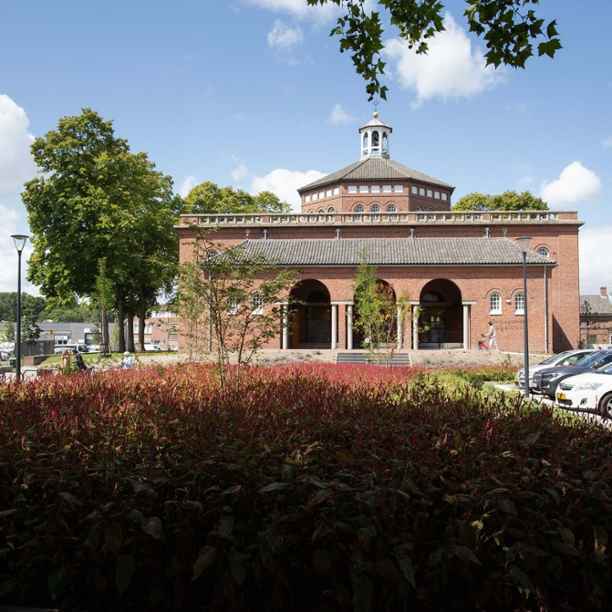
The building’s story began in 1275, when it was constructed as a monastery, first for the Order of Sack Friars and later for the Regular Canons. In 1580, it transitioned into an orphanage, strictly separating boys and girls and fulfilling this role for centuries. In 1925, it became the headquarters for the Dutch Union of Railway and Tramway Personnel, serving as a trade union house. By 1981, the building was vacant and then squatted by the Komitee Tivoli Tijdelijk, a group intent on using it as a concert venue – a move that led to clashes with riot police, but ultimately resulted in Tivoli becoming a permanent music venue. With performances from artists and bands like Prince, Nirvana and Pearl Jam, the building cemented its place in musical history.
Revival and ambition
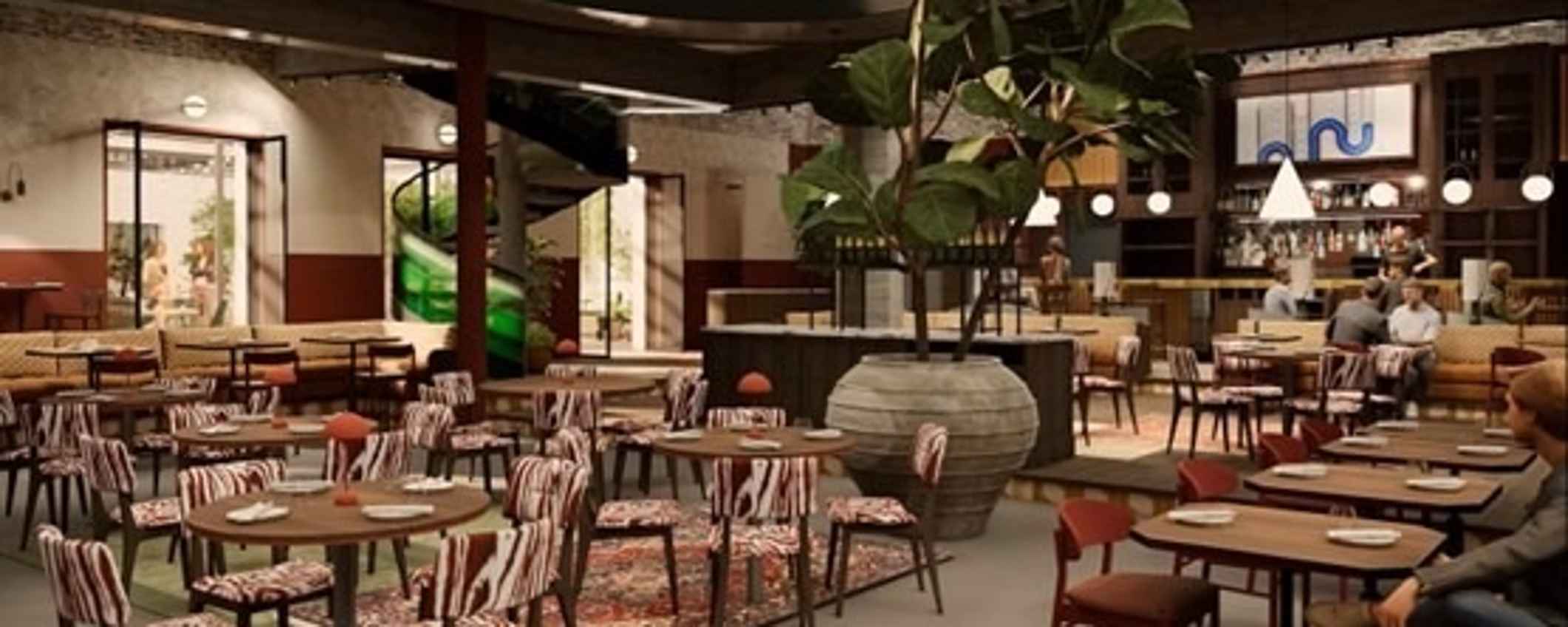
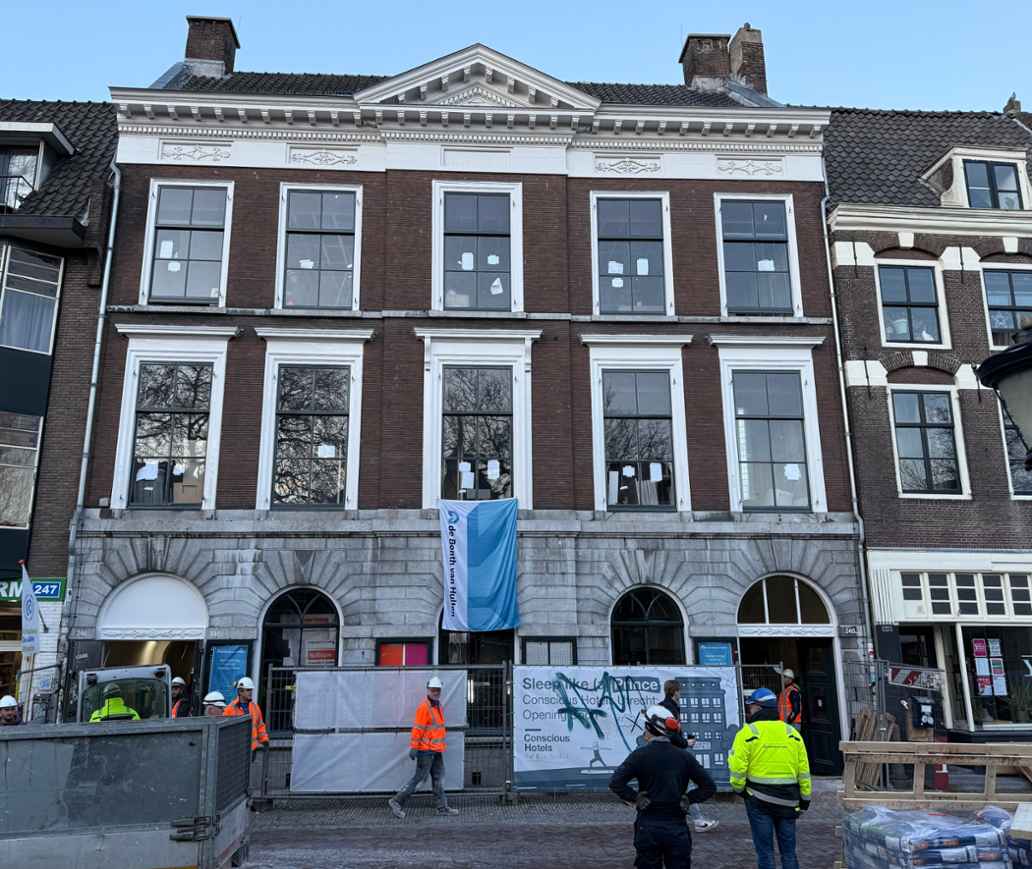
Despite its rich past, Tivoli had fallen into disuse in recent years, aside from the presence of two nurseries and a temporary studio for artist Colin Benders (Kyteman). The building’s new chapter sees it transformed into “Union House” – a lively and sustainable meeting place, including a restaurant, covered courtyard, wine bar and a 46-room hotel. Importantly, the two nurseries will continue to operate, ensuring the building remains a community hub.
Stadswaarde, a property developer, won the 2018 municipal tender to redevelop Tivoli. However, the project was hampered by significant delays, especially during the COVID-19 pandemic. Jeroen Messemaeckers van de Graaff, Stadswaarde’s co-founder, describes the challenges: restoring and redeveloping a listed building is complex and requires specialist partners, careful budgeting and close collaboration with heritage experts to secure the necessary permits. Securing finance was also a challenge, given the post-pandemic uncertainty in the hospitality sector. Messemaeckers van de Graaff notes the difficulty of attracting investment for a new hotel and restaurant during such turbulent times.
Power and potential of property transformation
Triodos Groenfonds stepped in to provide green financing, recognising the project’s alignment with their mission to transform vacant properties rather than building anew. Senior relationship manager Rianne Koster emphasises the multiple benefits: fighting urban vacancy and decay, reducing material waste, preserving cultural value and often delivering projects more quickly and cost-effectively than new builds. “The Tivoli transformation combines several themes that we find important: it is a listed building with public access, significant sustainability upgrades, a hotel operator (Conscious Hotels) committed to green practices and continued space for the nurseries.”
Celebrating history
Tivoli’s layered history remains visible throughout the new development. The Utrecht School of the Arts contributed to the 'Windows onto the Past' art project: in the 44-metre-long cloister corridor, now open to the public, four window frames with LED screens display scenes from the building’s monastery, orphanage, union house and concert hall eras.
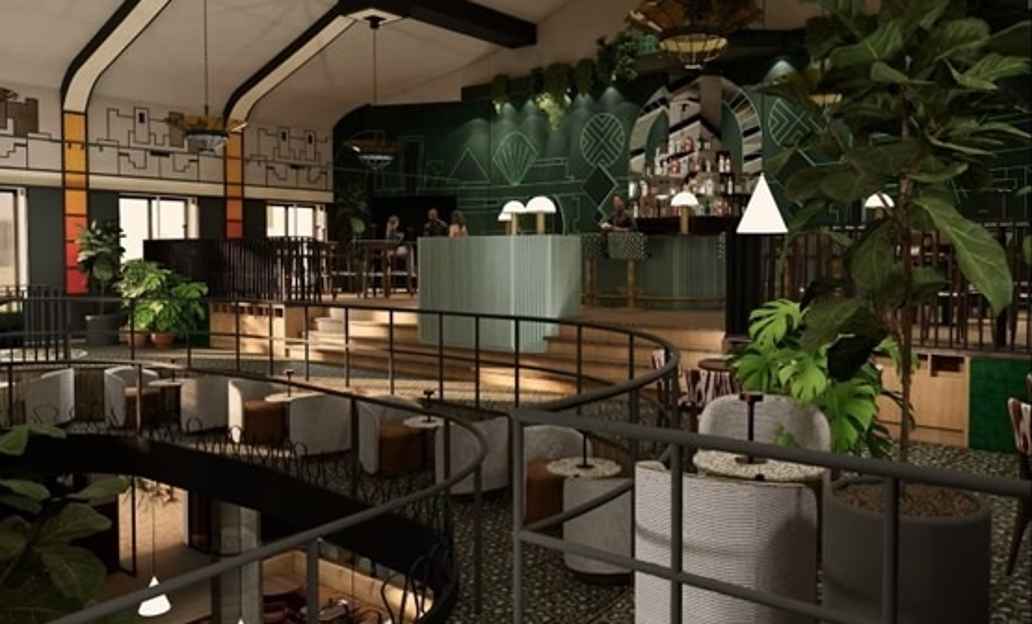
The Regent’s Room has been restored with period features, such as gold leather wallpaper and a Louis XIV-style fireplace and will be available for private hire. The hotel’s only ground-floor room is also unique, featuring a seventeenth-century fireplace with Delft blue tiles depicting traditional Dutch children’s games.
The iconic music stage remains, now part of the restaurant. There are plans for unplugged concerts and jazz matinees, as well as opportunities for local Utrecht talent to perform.
Sustainability at the forefront
A major achievement of the transformation is the building’s leap in energy efficiency, from an assumed G-rating to A. Upgrades include comprehensive roof insulation, improved wall insulation where possible, secondary glazing for windows and the installation of over 100 solar panels. Additionally, parts of the building, such as the cloister corridor, have been designated as outdoor spaces, reducing energy use for heating.
Sustainability was a decisive factor in choosing the hotel operator. Conscious Hotels, one of the Netherlands’ most sustainable chains, was selected. Their restaurants serve a fully organic (80% vegetarian) menu, hotel rooms are furnished with recycled or second-hand items, water-saving showers have been installed and all electricity is 100% renewable and sourced locally.
The revival of Tivoli as Union House is a remarkable example of how historical preservation, sustainability and community use can be combined. The project not only breathes new life into a landmark building, but also sets a standard for sustainable urban development by honouring the past, embracing the present and looking to the future.