
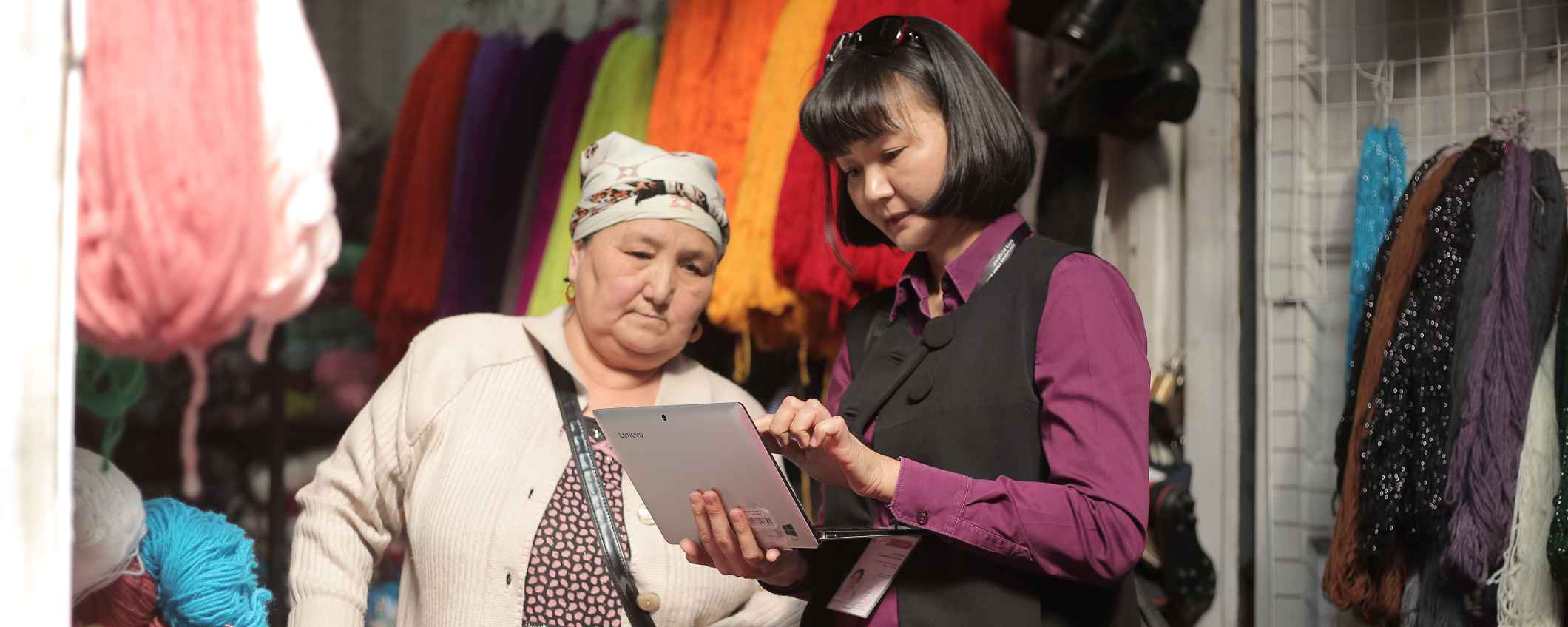
Not so long ago, someone working in an African or Asian city who wanted to send money to family in the countryside had few options. The most reliable method? Handing cash to a bus driver in an envelope – hoping it would reach its destination.
“That reality has changed tremendously in most of the countries where we operate”, says Frank Streppel, Head of Credit Management at Triodos Investment Management. Rapid technological developments, like mobile money transfers, have transformed access. But the shift goes deeper: far more people in remote, rural areas now have access to finance than ever before.
Beyond credit
Access to credit is just one piece of the puzzle. For millions, a microloan can be a first step towards improving their living standards. Yet true financial inclusion requires more: a full range of affordable, high-quality financial services, such as savings or insurances.
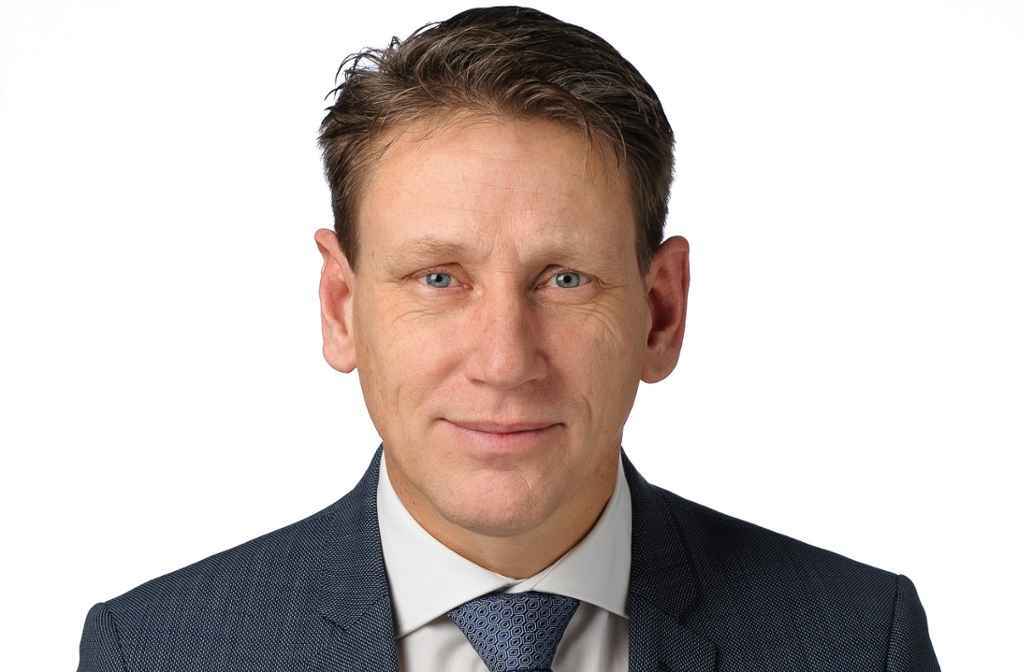
"These are probably the least developed financial services in many countries”, says Streppel. “For many people poverty is not the immediate problem, it’s vulnerability. A single crisis – a sick family member, a fire or a failed harvest – can erase years of hard-won gains in an instant. That’s where savings or insurance can make all the difference.”
Frank Streppel has been at the heart of Triodos IM’s financial inclusion strategy for over 20 years. While much has evolved since Triodos IM’s first investment in the sector (1994), one principle has remained constant in the investment approach: a commitment to delivering fair, transparent financial services for all. “Our goal is to empower individuals, to build resilience and unlock opportunities they might otherwise never access.”
A portfolio built on impact and diversity
Triodos Investment Management’s financial inclusion funds provide debt and equity financing to over 90 financial service providers across Latin America, Asia, Eastern Europe and Africa. These institutions deliver essential financial services to low-income households and small businesses. Streppel: “Our portfolio includes a diverse mix of partners, from NGOs operating in underdeveloped regions to fully-fledged banks and digital lending platforms.”
Each portfolio company plays a distinct role in expanding access to finance. For example, ASA Tanzania specialises in group lending for women entrepreneurs, while Banco Promerica Costa Rica focuses on green lending for small and medium-sized enterprises. This diversity ensures the funds address a broad spectrum of needs and opportunities within the financial inclusion sector.
An in-house team of investment professionals carefully selects each financial service provider. The team analyses each country’s financial landscape, identifies market gaps and determines the best financial service provider(s) to partner with.
Streppel: “A clear understanding of the challenges and opportunities in the countries where we invest is central to balancing impact, risk and returns. We operate in a global economy where a broad view of risk is essential. This includes not only macroeconomic risk, but also sustainability-related risks, such as climate, governance and social factors, that may affect the institutions we invest in.”
Balancing risk and opportunity
Assessing these risks calls for a structured approach to country risk, as well as experience in how global and domestic risks interact and evolve. This leads to an independent country score, developed separately from the investment teams. The score, together with the supporting country analysis, is included in the risk taxonomy framework and monitored throughout the investment process.
“Because our financial inclusion investments are concentrated mainly in low-income countries, this structured approach gives us a broad view of country risk. It is complemented by the investment teams’ strong knowledge of local markets and on-the-ground due-diligence. In the end, we focus not only on identifying risks in the countries and sectors we finance, but also on understanding how those risks are being reduced in practice.”
Each country has its own dynamics. India’s shift in foreign investment rules allowed Triodos IM to build a diverse portfolio where it once couldn’t. Conversely, it stopped investment activities in Cambodia years ago due to market saturation – redeploying capital to other opportunities.
Geopolitical instability, regulatory shifts and economic volatility can also rapidly alter operating environments, directly impacting portfolio performance. Streppel: “Markets evolve and so do we. We proactively reduced our exposure to the Middle East several years ago due to rising risks. The recent escalation in the region, particularly the US-Iran conflict, has led us to pause potential new investments in heavily affected countries, such as Pakistan and Sri Lanka.”
Triodos IM aims to be more than just a provider of finance and focuses on building long-term relationships with portfolio companies. Streppel: “We actively engage with all our portfolio companies on relevant topics such as governance structure, solvency rates, client protection and rolling out green lending products.”
Evolving and expanding sector
As an early investor, Triodos IM has witnessed the growth and evolution of financial inclusion. Streppel: “The sector has shown that low-income households are bankable.”
Mainstream, commercial banks have followed the lead of microfinance institutions, increasingly servicing lower-income customers. In many markets, microfinance institutions have evolved into fully licensed banks, enabling them to further expand their services. For example to small- and medium-sized enterprises, which are important drivers of job creation, and products including savings accounts, mortgages and education loans.
Another important development has been the sector’s integration into formal regulatory frameworks. Once operating largely outside the mainstream financial system in many emerging economies, microfinance is now more commonly regulated and supervised, bringing greater stability and trust.
Access to financial services is now widely recognised as a key driver of economic and social development, earning a priority status among governments, international forums and the UN’s Sustainable Development Goals. Far from being an end in itself, financial inclusion has become a powerful tool for achieving broader development objectives.
Not the silver bullet to fight poverty
Yet the financial inclusion sector also faces scrutiny. While reports highlight progress and expansion, concerns about over-indebtedness and high interest rates have raised doubts about microfinance’s effectiveness.
“Financial inclusion isn’t without its challenges”, acknowledges Streppel. “Over-indebtedness remains a major concern. The priority must always be protecting microfinance clients’ best interests, not aggressive growth. Low-income households are vulnerable and must never face exploitation. This requires careful design of financial products. They must align with clients’ actual repayment capacity, not trap them into cycles of debt. It all comes down to offering the right product to the right people in the right doses, in a fair and transparent manner.”
Two important developments are helping address these concerns. Credit bureaus – becoming standard in many emerging economies – provide better tools to assess and monitor borrowing capacity. Also, global standards establish consistent, responsible lending practices and stronger client protection.
The most prominent framework is the Universal Standards for Social and Environmental Performance Management, developed by Cerise+SPTF. These standards address critical themes such as good governance, financing for productive sectors and the inclusion of underserved groups.
Streppel highlights the standards’ influence: “These principles are widely adopted by financial service providers and investors, including Triodos Investment Management. They also play a pivotal role in shaping markets. Policymakers in emerging economies, for instance in the Philippines, have adopted the standards as the model for crafting their formal regulatory regimes.”
Building resilience in a world of instability
Streppel offers a clear assessment of the challenges ahead: “Geopolitical instability and climate change are intensifying pressures, especially on vulnerable populations. While financial inclusion is not a cure-all for these challenges, it can play a meaningful role in building resilience – helping households and small businesses to better weather shocks, adapt and recover faster.”
The value of financial access is undeniable. Yet gaps remain: 1.3 billion people still lack access to basic financial services. Streppel: “At Triodos Investment Management, we remain committed to closing these gaps.”